

Chronic low back pain and radiating leg discomfort (often associated with sciatica or lumbar disc compression) can significantly diminish a person’s quality of life. While conventional medical treatments often rely on symptom management or surgical evaluation, Ayurvedic therapies such as Panchakarma offer holistic, non-invasive pathways toward recovery.
In a patient review video shared by Dr. Manish Yadav from Kanpur, a patient named Manju Yadav shares her positive recovery experience following targeted Panchakarma sessions for severe lumbar spine issues.
Patient Case & Diagnostic Background
Before initiating Ayurvedic care, the patient suffered from persistent low back pain and discomfort radiating into her legs. Medical imaging indicated structural involvement in her lower spine:
- Narrowed Lumbar Joint Space: Clinical reports revealed a reduced joint space of approximately 7.5 mm at the L4–L5 and L5–S1 levels.
- Radiating Pain: Severe back tension accompanied by radiating pain into the lower extremities.
The Treatment Journey & Panchakarma Sessions
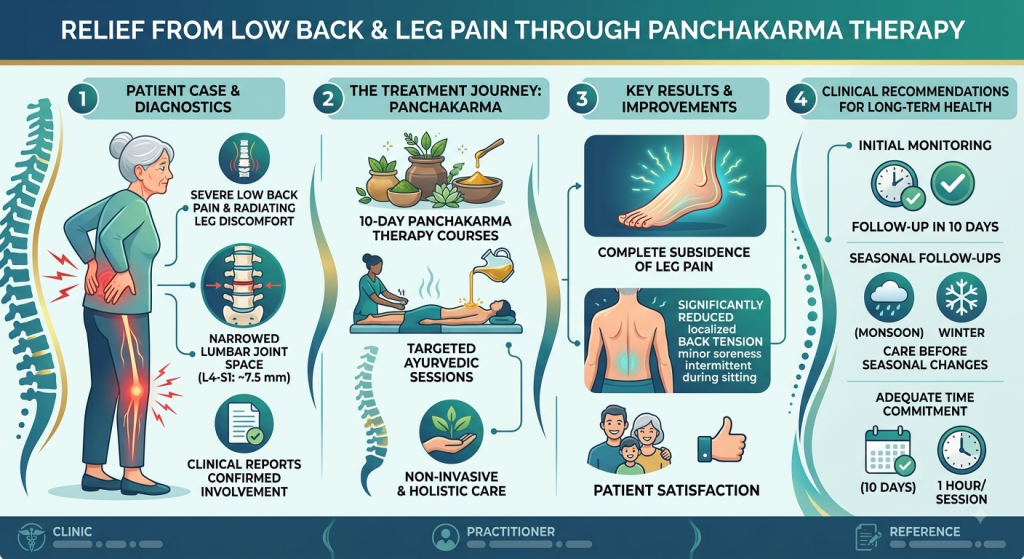
Under Dr. Manish Yadav’s guidance, Manju underwent structured 10-day Panchakarma therapy blocks. Although her treatment schedule faced minor interruptions due to personal reasons, the cumulative therapeutic sessions yielded steady progress:
- Reduction in Leg Pain: Following the initial therapies, the patient experienced a complete subsidence of radiating leg pain.
- Back Pain Relief: While mild lumbar soreness intermittently reappeared during sitting, subsequent Panchakarma sessions significantly reduced localized back tension.
- Comfortable Procedure: Both the patient and her family expressed complete satisfaction with the clinical process, highlighting that the therapies were comfortable and stress-free.
Clinical Recommendations for Long-Term Spine Health
Dr. Manish Yadav emphasized essential follow-up protocols to ensure long-term stability and prevent seasonal flare-ups:
- Initial Monitoring: Patients completing a Panchakarma cycle should follow up within 10 days to assess stability and adjust care as needed.
- Seasonal Follow-Ups: Individuals with chronic spinal or joint conditions should undergo preventive consultations prior to the monsoon (rainy) and winter seasons, as weather changes can trigger joint stiffness and nerve aggravation.
- Adequate Time Commitment: Patients planning to undergo Panchakarma or specialized Ayurvedic therapies at the Ashok Nagar clinic in Kanpur are advised to plan for at least a 10-day treatment duration and allocate at least an hour per session.
Key Takeaways
- Targeted Spinal Care: Panchakarma provides a effective non-surgical approach to manage lumbar disc compression and radiating nerve pain.
- Consistency Matters: Structuring therapy into multi-day blocks (such as 10-day courses) helps achieve sustainable relief.
- Seasonal Prevention: Regular preventive care before major seasonal transitions helps maintain spinal health over time.
Watch the video: