
When faced with severe back pain or radiating leg discomfort, many patients immediately consider surgical intervention. However, in a detailed video presentation, Dr. Manish Yadav highlights why patients should explore conservative care before undergoing backbone surgery. Understanding the anatomical layout of the spine, reading MRI diagnostic reports accurately, and realizing the limitations of surgical procedures can help individuals make informed healthcare decisions.
1. Distribution of Spinal Issues across Vertebral Regions
Dr. Yadav explains that spinal conditions are distributed unevenly across different spinal regions:
- Lumbar Region (Lower Back): Approximately 70% to 75% of spine patients suffer from conditions in the lumbar area (L1 through L5).
- Cervical Region (Neck): Around 30% of patients experience cervical disc issues. Due to fear surrounding neck interventions, patients often delay seeking help until symptoms become severe.
- Thoracic Region (Mid-Back): Thoracic issues comprise a smaller percentage of overall spine cases.
Because multi-level degeneration (such as disc herniation, disc prolapse, or listhesis across L1-L2, L2-L3, and L3-L4) is common, treating only a single segment rarely solves the patient’s entire problem.
2. Limitations of Surgical Interventions
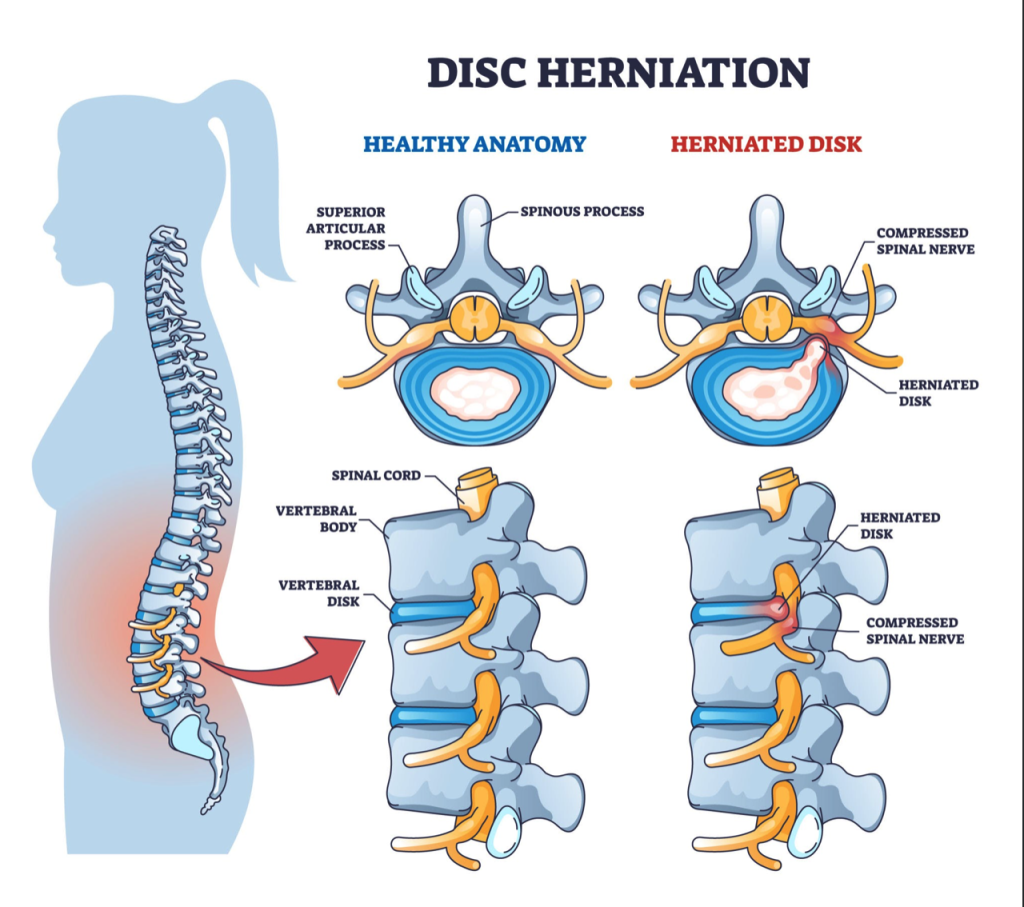
A primary concern highlighted in the video is that a herniated disc surgery typically targets only one specific level—removing the small, extruded portion of the disc compressing a nerve root.
Surgeons avoid operating on all affected discs simultaneously to maintain spinal stability. Consequently:
- Operating on one disc leaves adjacent degenerated discs unaddressed.
- Within 2 to 3 years, patients often experience recurring pain in untreated levels, leaving them searching for secondary options or repeating surgical procedures.
3. Reading Diagnostic Reports & Active Patient Engagement
Patients frequently visit clinics complaining of generalized back pain without knowing their exact structural diagnosis. Dr. Yadav advises patients to review their MRI reports carefully to identify specific findings:
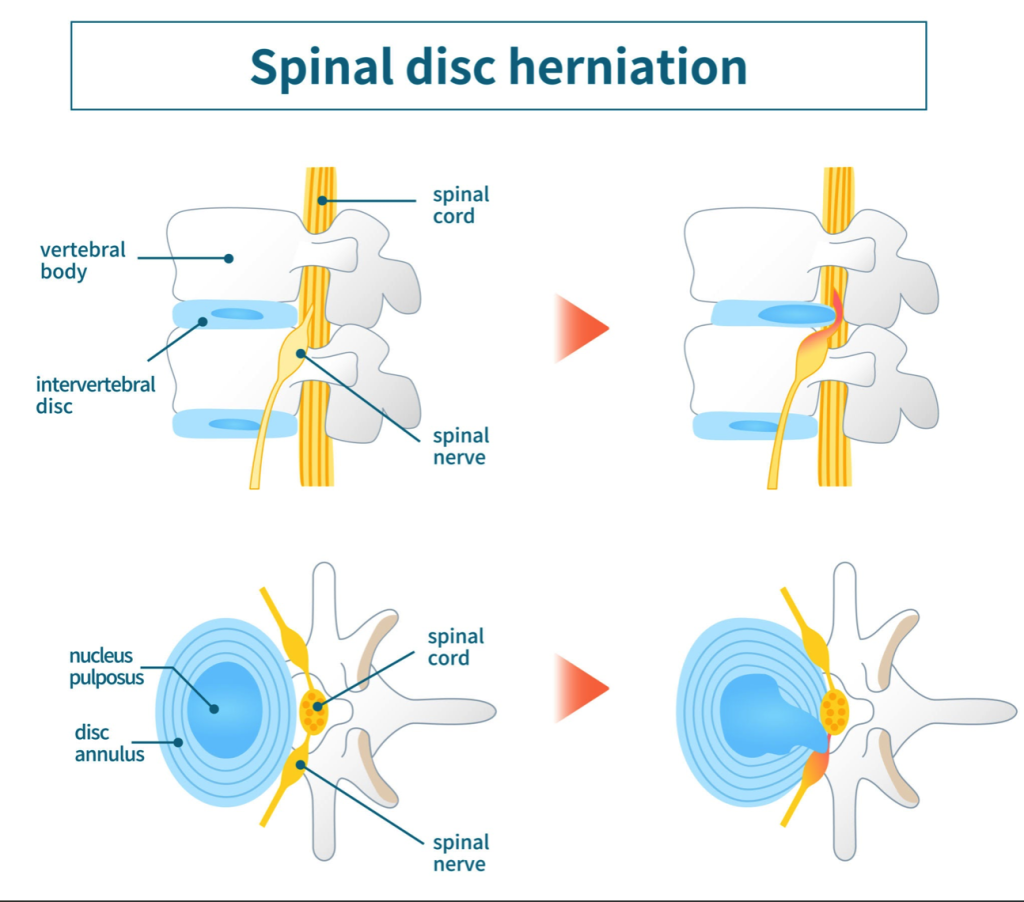
- Disc Bulge / Disc Herniation: Outward protrusion of disc material.
- Disc Prolapse: Advanced disc herniation pushing into the spinal canal.
- Anterolisthesis / Retrolisthesis: Displacement of one vertebra relative to another (Grade 1 or higher).
Understanding these findings allows patients to discuss non-surgical alternatives intelligently with an orthopedic surgeon kanpur or neurosurgeon before committing to irreversible operations.
Evaluating Non-Surgical vs. Surgical Path
Comparing Spine Treatment Approaches
| Evaluation Point | Non-Surgical / Conservative Treatment | Surgical Intervention |
|---|---|---|
| Treatment Scope | Multi-level (Comprehensive care across L1–L5) | Single-level focus (Targets 1 disc at a time) |
| Structural Impact | Preserves natural disc anatomy | Removes disc tissue or fuses bone |
| Recovery Duration | Gradual, non-invasive rehabilitation | Immediate bed rest and post-op care |
| Re-Injury Risk | Focuses on muscle strengthening to prevent relapse | Risk of 2–3 year recurrence at adjacent levels |
Critical MRI Diagnostic Stages
| Stage | Condition | Clinical Overview |
|---|---|---|
| 1 | Disc Bulge | Initial weakness in the disc wall; highly manageable non-surgically. |
| 2 | Disc Herniation | Extrusion compressing nerve roots; responsive to alignment and non-invasive therapy. |
| 3 | Listhesis | Vertebral displacement; requires specialized stabilization. |
Key Takeaway: Non-Surgical Options in Kanpur
Before making a final choice regarding backbone surgery or herniated disc surgery, patients are encouraged to seek comprehensive consultations. For those looking for slip disc treatment without surgical risks, consulting an orthopedic surgeon kanpur, an experienced neurosurgeon, or visiting specialized spine clinics in Kanpur provides a path toward sustainable, non-invasive recovery.