

A pervasive concern among individuals suffering from chronic joint disorders is the necessity of lifelong pharmaceutical dependency. In a clinical discourse, prominent spine specialist and spine doctor Dr. Manish Yadav addresses this issue, shifting the therapeutic paradigm away from continuous symptom suppression toward fundamental modifications in daily habits.
While recognized primarily for spinal care, Dr. Manish Yadav emphasizes that systemic musculoskeletal conditions, including arthritis, chronic inflammation, and progressive knee pain, are deeply intertwined with metabolic health and daily routine.
The Pathophysiology of Joint Degeneration: How Habits Trigger Disease
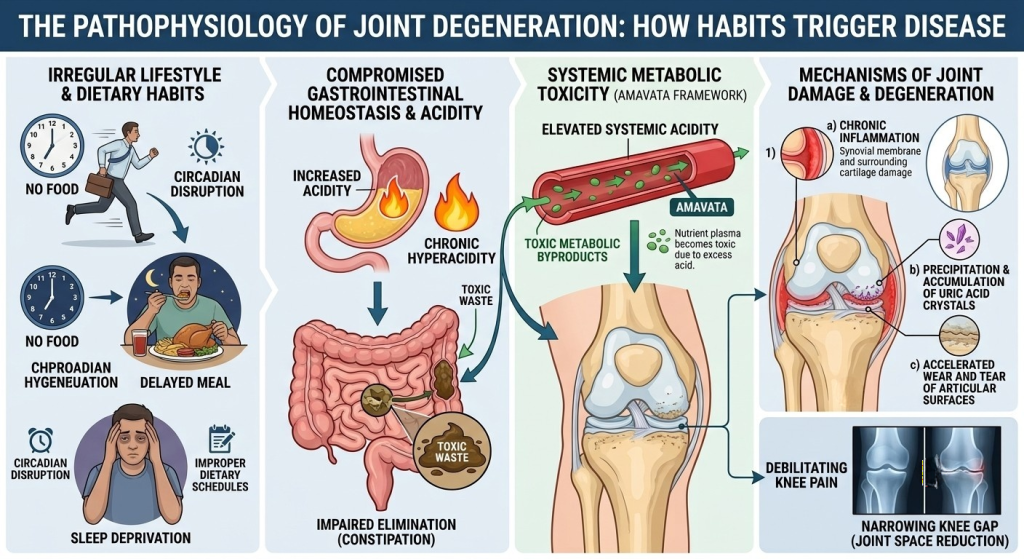
According to Dr. Manish Yadav, conditions involving joint space reduction, such as a narrowing knee gap, are largely downstream effects of an irregular lifestyle. Within the framework of traditional medicine, metabolic disorders like rheumatoid and osteoarthritis (often classified as Amavata) are directly precipitated by circadian disruption and improper dietary schedules.
When an individual maintains inconsistent meal timings—such as delaying breakfast or consuming heavy meals late at night—or suffers from sleep deprivation, gastrointestinal homeostasis is compromised. This results in chronic hyperacidity and impaired elimination. In the context of a comprehensive ayurveda treatment, nutrients are absorbed sequentially to nourish the bodily tissues, from plasma and blood to bone and marrow. If systemic acidity is elevated, the metabolic byproducts traveling through the vascular system become toxic.
This acidic metabolic waste ultimately infiltrates the joint capsules, leading to several complications:
- Chronic inflammation of the synovial membrane and surrounding cartilage.
- The precipitation and accumulation of uric acid crystals within the joint spaces.
- Accelerated wear and tear of the articular surfaces, manifesting as debilitating knee pain.
Systemic Detoxification: The Therapeutic Role of Panchkarma
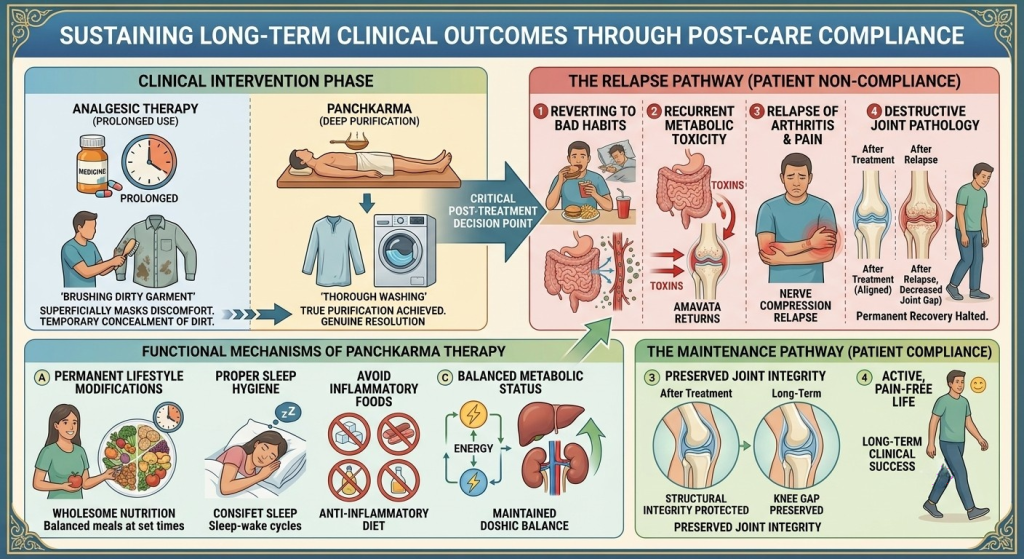
Standard conventional protocols frequently rely on prolonged analgesic therapy to mask discomfort. To illustrate the limitations of this approach, Dr. Manish Yadav offers a pragmatic analogy: one can either superficially brush a soiled garment to temporarily conceal dirt, or subject it to a thorough washing process for true purification.
Continuous reliance on pain medications merely suppresses symptoms. To achieve genuine resolution from joint swelling and associated nerve compression, deep tissue purification is clinically necessary. This is achieved through structured panchkarma therapy.
As a specialized intervention within an ayurveda treatment plan, panchkarma therapy functions as a profound detoxification process. It actively metabolizes and eliminates systemic toxins (Ama), reduces elevated inflammatory markers, and restores metabolic balance. By removing these irritating compounds from the musculoskeletal system, peripheral nerve compression is relieved, and the physiological degradation of the joints is effectively halted.
Sustaining Long-Term Clinical Outcomes Through Post-Care Compliance
The definitive conclusion presented by the spine doctor is that permanent recovery cannot be achieved through pharmacotherapy alone. While clinical interventions and targeted ayurveda treatment can successfully mitigate acute inflammation and restore joint mobility, long-term maintenance rests entirely upon patient compliance.
If a patient reverts to irregular dietary habits and disruptive routines post-treatment, metabolic toxicity will recur, inevitably causing a relapse of arthritis and joint pain. To preserve the structural integrity of the joints and protect the knee gap, implementing permanent lifestyle modifications—specifically consuming wholesome nutrition at regulated intervals, maintaining proper sleep hygiene, and avoiding inflammatory foods—remains clinically imperative.
Watch the video:-