

Introduction
Cervical spondylosis is a common condition that affects the neck and cervical spine. Long hours of sitting, poor posture, excessive screen use, and natural age-related changes can contribute to neck pain, stiffness, and reduced movement.
Chiropractic care is one approach that may help manage certain musculoskeletal symptoms and improve mobility when appropriately assessed.
What Is Cervical Spondylitis?
Cervical spondylosis refers to gradual changes in the bones, discs, and joints of the neck. These changes may cause:
- Neck pain or stiffness
- Limited neck movement
- Shoulder or upper-back discomfort
- Pain that may sometimes extend toward the arms
The severity and symptoms can vary from person to person.
How Does Chiropractic Treatment Work?
Before starting treatment, a practitioner may assess the person’s medical history, pain, posture, neck movement, muscle tightness, and overall physical condition.
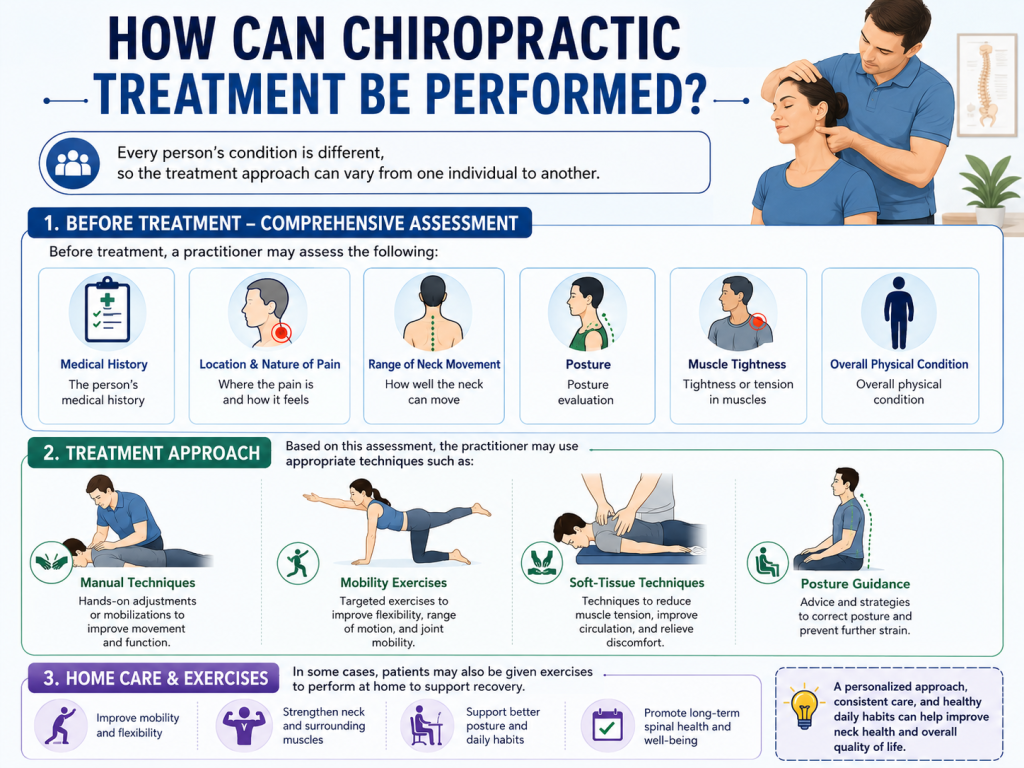
Depending on the assessment, treatment may include:
- Manual therapy
- Mobility exercises
- Soft-tissue techniques
- Posture correction
- Strength and flexibility exercises
The approach is generally adjusted according to the individual’s symptoms and physical condition.
Why Is Good Posture Important?
Poor posture can place additional stress on the neck, especially when someone spends long periods using a phone or working on a laptop.
Simple habits such as taking regular breaks, maintaining a comfortable sitting position, keeping screens at an appropriate height, and following recommended exercises can support better neck health.
Is Chiropractic Care Suitable for Everyone?
Not every treatment is appropriate for every person. Since the cervical spine is a sensitive area, proper assessment is important before receiving manual or spinal treatment.
People experiencing severe or persistent pain, numbness, weakness, balance problems, or symptoms after an injury should seek evaluation from a qualified healthcare professional.
Conclusion
Cervical spondylosis can affect neck movement and daily comfort, but its symptoms and severity can vary significantly between individuals.
With proper assessment, chiropractic care may be considered as part of a broader approach that includes movement, posture, exercise, and healthy daily habits. Professional guidance is important to determine the most appropriate treatment for each individual.
Medical Disclaimer: This article is for general educational purposes only and should not replace professional medical advice or treatment.
watch the video :