
Living with severe cervical spine issues can be physically debilitating and emotionally draining. When doctors recommend immediate, urgent surgery, many patients feel overwhelmed and uncertain about their options. However, specialized Ayurvedic neuro-therapy offers a promising non-surgical path toward recovery.
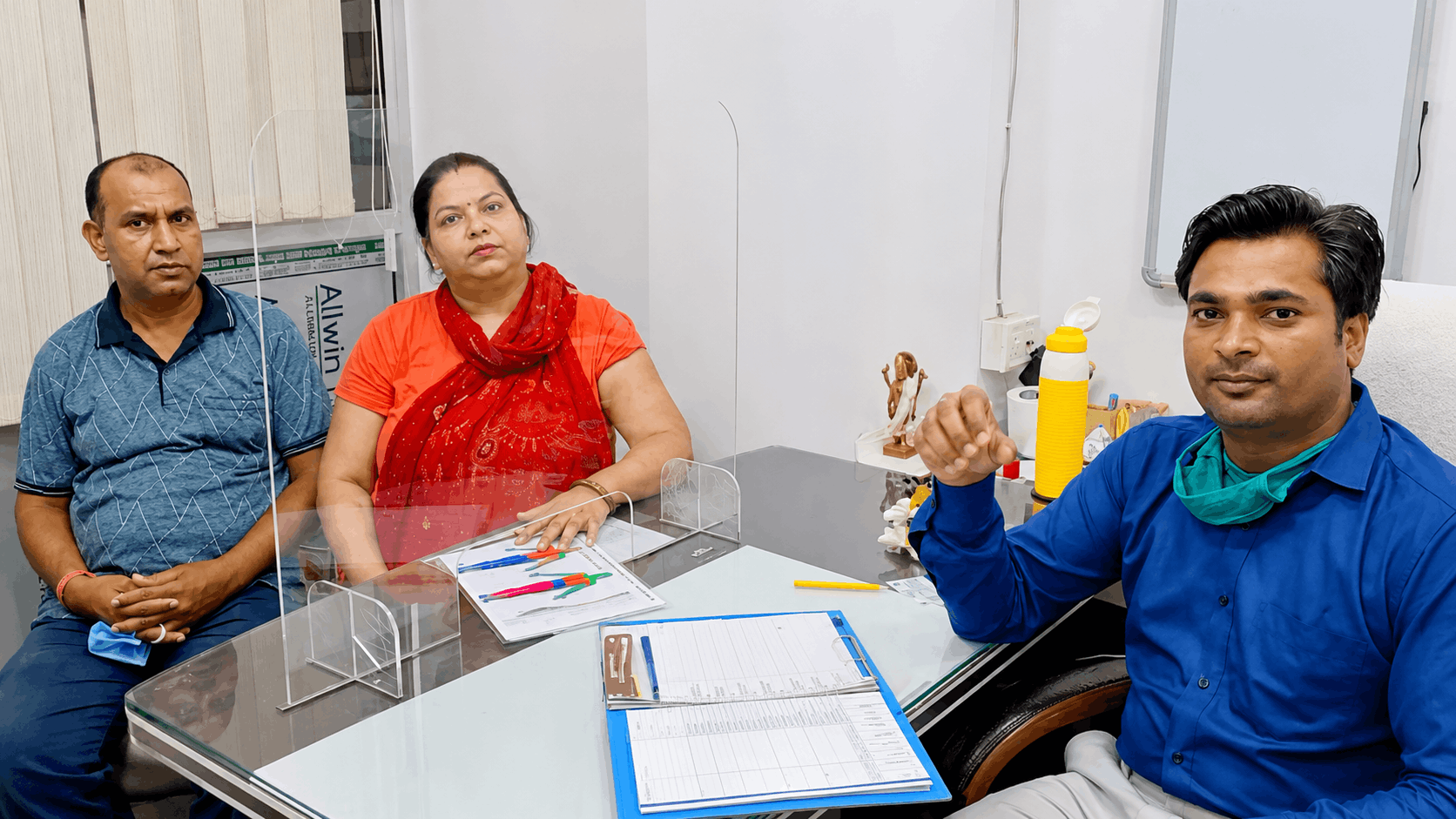
A compelling clinical case study shared by Dr. Manish Yadav highlights the recovery journey of a patient named Sapna, who faced severe cervical spine complications and was advised to undergo urgent surgery.
Patient Background & Initial Condition
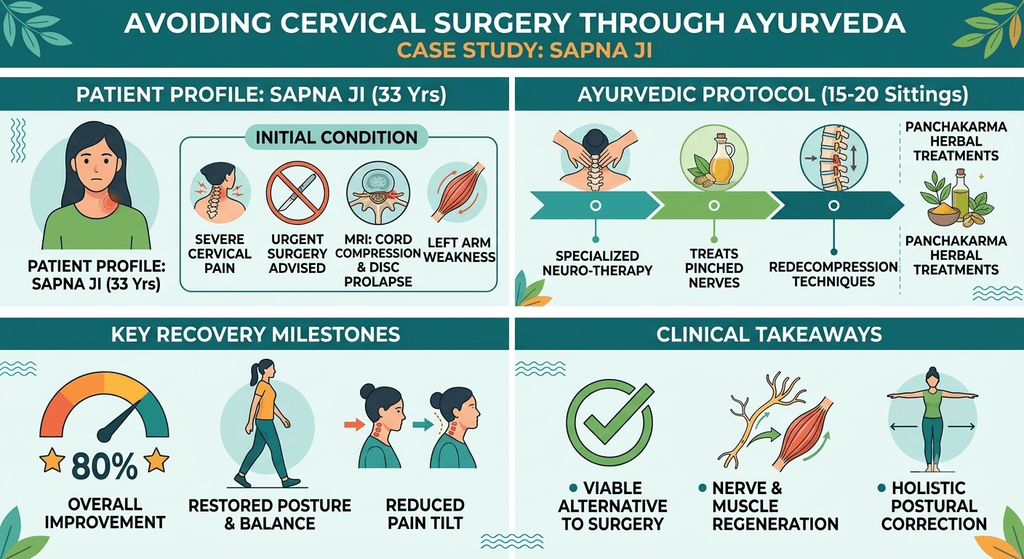
Sapna sought treatment after suffering from severe cervical pain and related neurological issues. Her MRI diagnostic findings revealed significant spinal involvement:
- Cervical Nerve Root Compression: Severe cord compression and disc prolapse affecting the cervical spine region.
- Left Shoulder & Arm Weakness: Due to the compressed nerves on the left side, her left shoulder and arm muscles had become significantly weak and damaged over time.
- Mobility & Posture Restriction: The nerve compression forced her to lean and walk in a altered posture, making daily movement difficult.
- Urgent Surgical Recommendation: Prior to visiting the clinic, conventional medical specialists had advised that urgent surgery was her only option.
The Non-Surgical Ayurvedic Protocol
Dr. Manish Yadav recommended a specialized 15 to 20-sitting Panchakarma and Neuro-Therapy protocol tailored specifically for pinched nerves and disc prolapse.
The treatment plan focused on:
- Targeted Panchakarma Therapies: Utilizing specialized herbal therapies to reduce localized inflammation, improve circulation, and nourish damaged nerve tissues.
- Specialized Neuro-Therapy: Applying hands-on decompression techniques to relieve nerve root pressure and restore muscular strength.
- Holistic Management: Addressing associated lower back and postural discomfort alongside the primary cervical issue.
Recovery Milestones & Patient Feedback
After completing approximately 15 sitting sessions, Sapna and her family shared notable functional improvements:
- Overall Relief: Achieved roughly 80% overall improvement in pain and physical function.
- Restored Posture & Balance: Significant reduction in posture tilt, allowing her to walk and move upright with greater confidence.
- Avoidance of Surgery: Successfully managed and relieved severe cord and nerve compression symptoms without needing surgical intervention.
Key Clinical Takeaways
- Viable Alternative to Surgery: Severe cervical cord and nerve root compression can often respond positively to structured Panchakarma and neuro-therapy, offering a safe alternative to invasive procedures.
- Nerve Regeneration & Muscle Recovery: Addressing nerve compression early helps prevent long-term muscular weakness in the shoulders and arms.
- Consistent Protocol: Sticking to a planned multi-sitting treatment plan is crucial for deep-tissue healing and sustained pain relief.
Watch the video: