
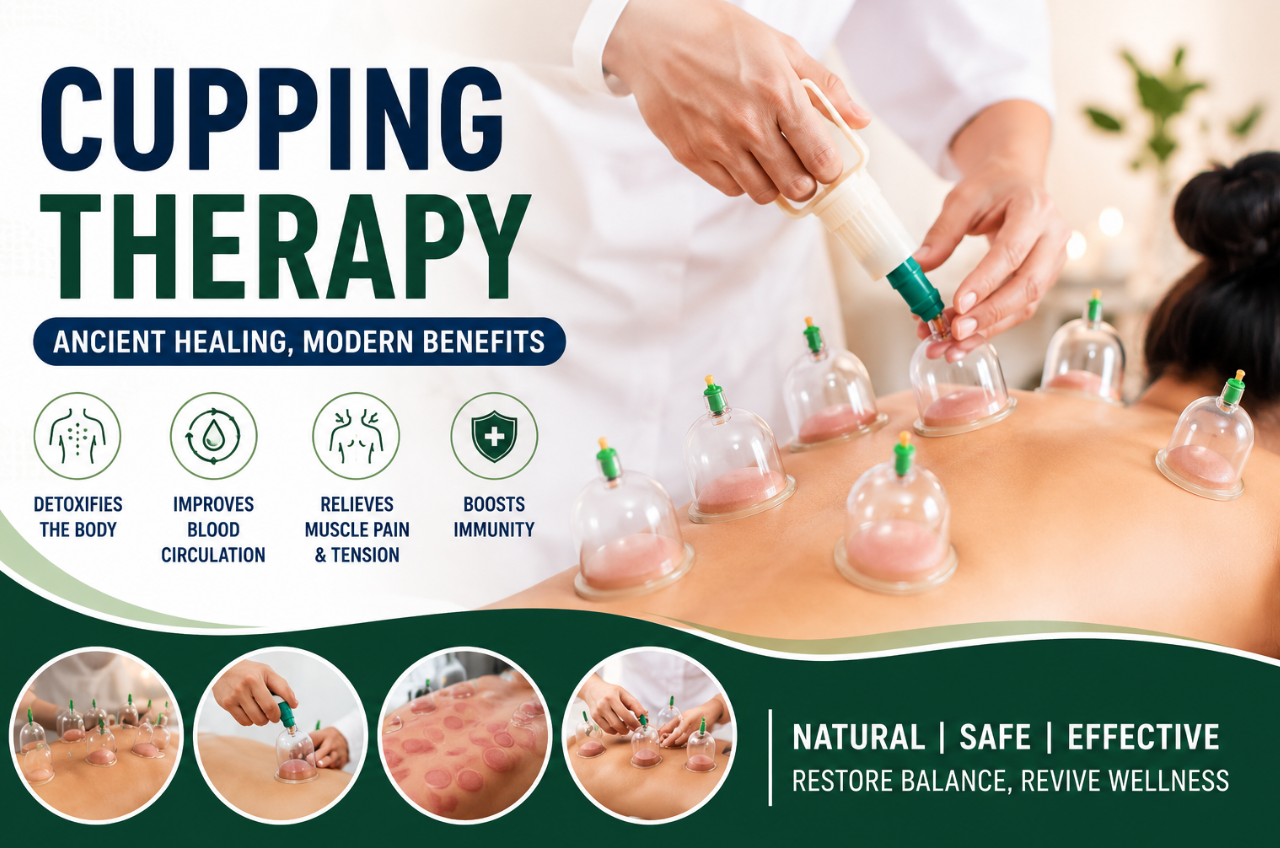
Cupping therapy is an ancient form of alternative medicine that has gained significant traction in modern physical therapy and wellness regimens. Often used to alleviate stubborn muscle pain, stiffness, and tension, this practice involves placing specialized cups on the skin to create a localized suction.
What is Cupping Therapy?
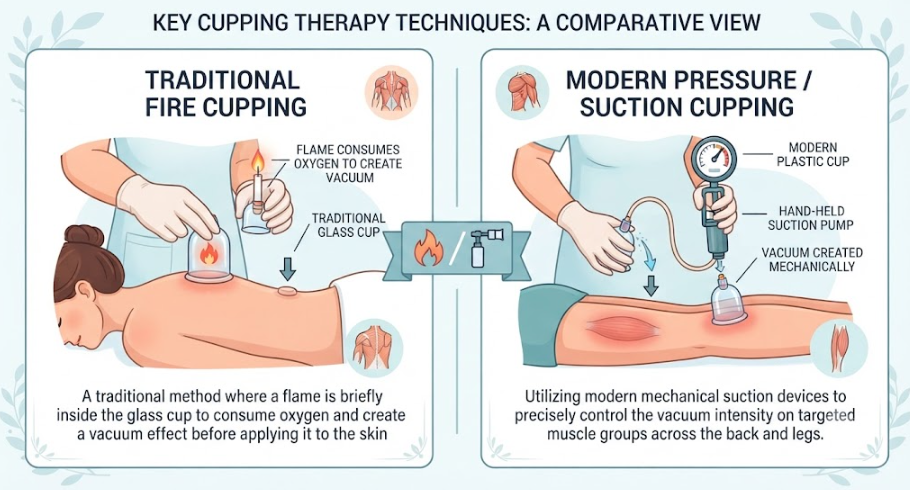
Rooted in traditional practices, cupping is designed to stimulate blood flow, promote healing, and facilitate the release of deep tissue tension. Therapists typically employ different techniques depending on the patient’s specific needs, incorporating tools like glass cups, flame for heat-based suction, and mechanical pumps.
Key Techniques Seen in Practice:
- Fire Cupping: A traditional method where a flame is briefly introduced inside the glass cup to consume oxygen and create a vacuum effect before applying it to the skin.
- Pressure / Suction Cupping: Utilizing modern mechanical suction devices to precisely control the vacuum intensity on targeted muscle groups across the back and legs.
How Does It Work?
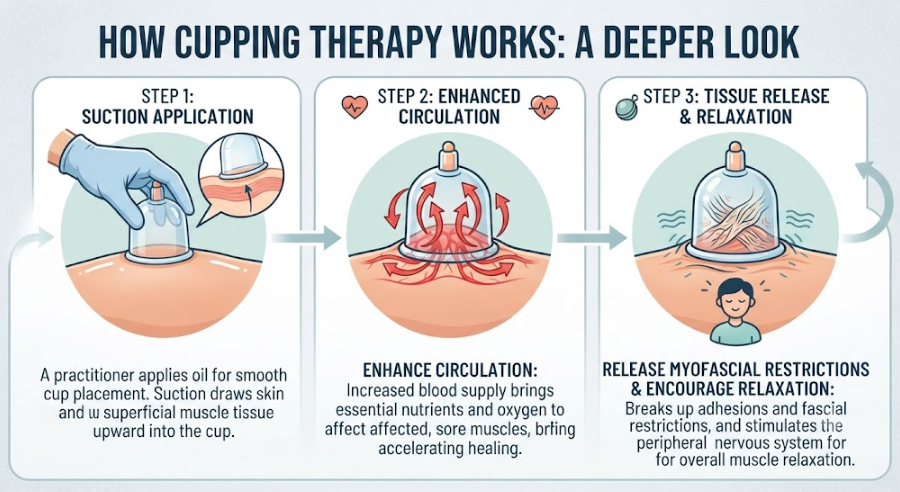
During a session, a practitioner applies oil to the skin to allow smooth movement or secure placement of the cups. The suction draws the skin and superficial muscle layer slightly upward into the cup. This process helps to:
- Enhance Circulation: Increase blood supply to the affected sore muscles, bringing essential nutrients and oxygen.
- Release Myofascial Restrictions: Break up adhesions and fascial restrictions that cause chronic discomfort.
- Encourage Relaxation: Stimulate the peripheral nervous system, leading to overall muscle relaxation.
At Rayshree Ayurveda, neuro and spine specialist Dr. Manish Yadav integrates traditional practices like cupping therapy into a comprehensive, non-invasive approach to naturally alleviate chronic muscle pain, back discomfort, and joint stiffness without the need for surgery or injections.
Watch the Video: