
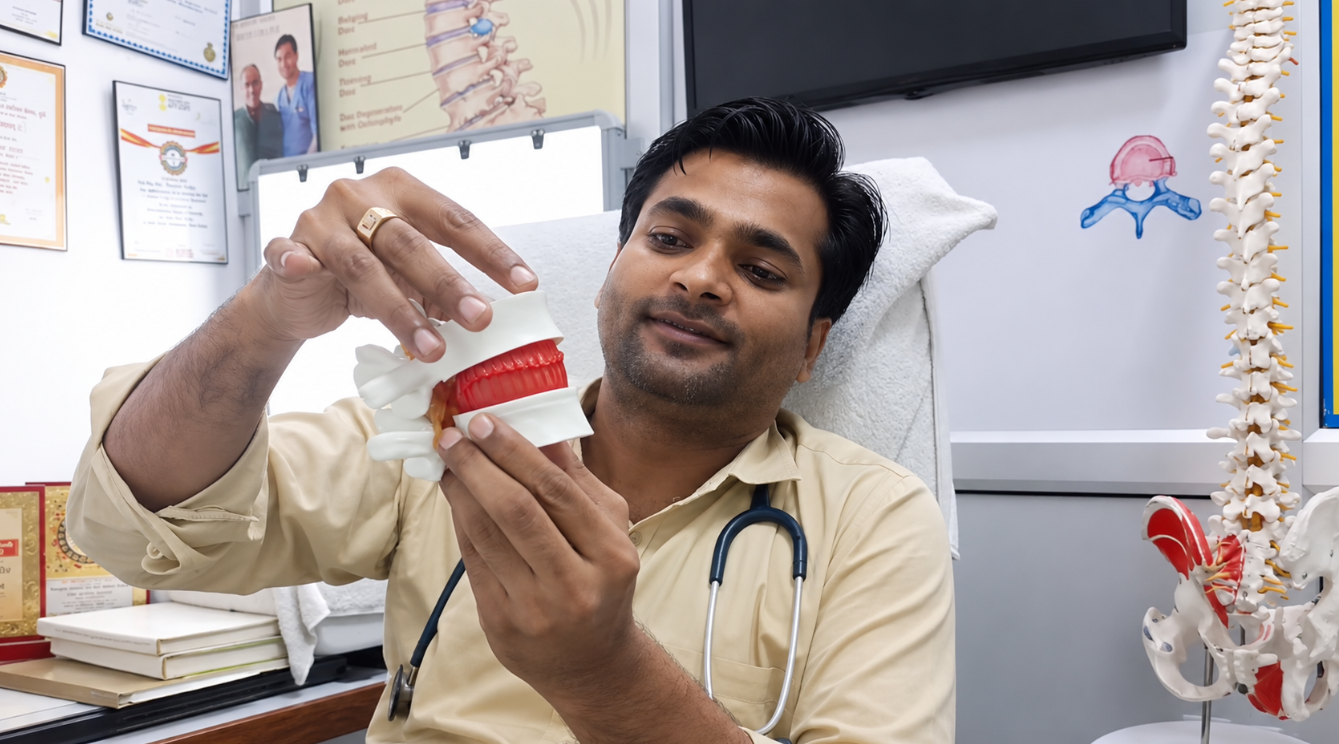
Chronic back pain is a common complaint in modern society, often dismissed as simple fatigue or muscle strain. However, when this discomfort persists, particularly in the form of morning stiffness, it may indicate a more complex condition known as Ankylosing Spondylitis (AS), or “Bamboo Spine.” This condition is a chronic, inflammatory form of arthritis that primarily affects the spine.
Understanding the progression, identification, and management of Ankylosing Spondylitis is crucial for maintaining long-term mobility and quality of life.
Clinical Presentation and Identification
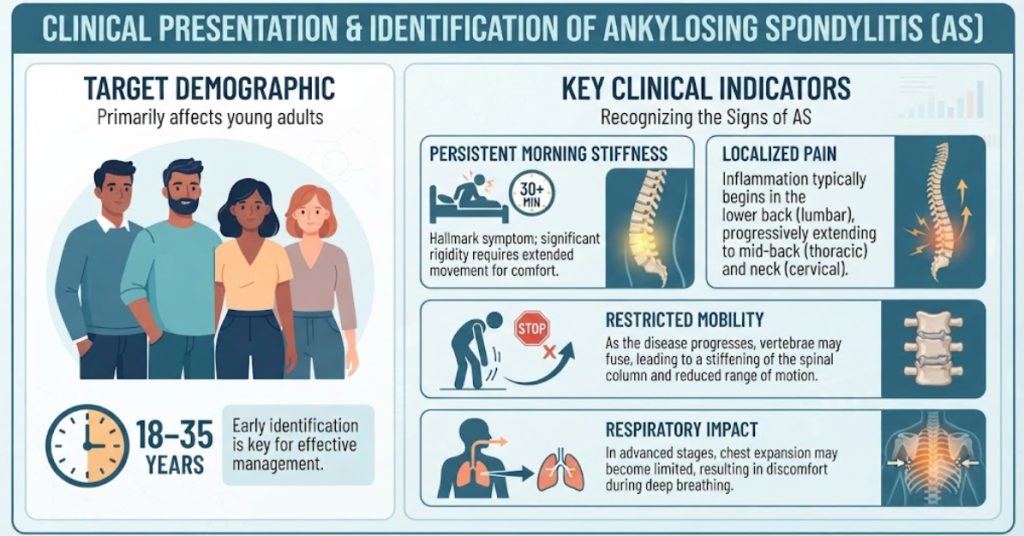
Ankylosing Spondylitis typically manifests in individuals between the ages of 18 and 35. Early identification is key to effective management. Key indicators include:
- Persistent Morning Stiffness: A hallmark symptom is significant rigidity in the morning, often requiring 30 minutes or more of movement before the patient achieves a baseline level of comfort.
- Localized Pain: The inflammation usually originates in the lower lumbar region (lower back) before progressively extending to the thoracic (mid-back) and cervical (neck) regions.
- Restricted Mobility: As the disease progresses, the vertebrae may begin to fuse, leading to a stiffening of the spinal column and a reduced range of motion.
- Respiratory Impact: In advanced stages, chest expansion may become limited, resulting in discomfort during deep breathing.
The Risks of Symptomatic Treatment
Patients frequently seek immediate relief for Ankylosing Spondylitis through over-the-counter Painkillers or Steroids. While these medications provide temporary, and sometimes substantial, alleviation of symptoms, they do not address the underlying pathology.
Caution: Relying exclusively on Painkillers for extended periods (e.g., 6–8 months) masks the progression of the disease. This delay often results in the patient reaching clinical practitioners only when the condition has advanced beyond its initial, more treatable stages.
Comprehensive Management and Ayurvedic Perspectives
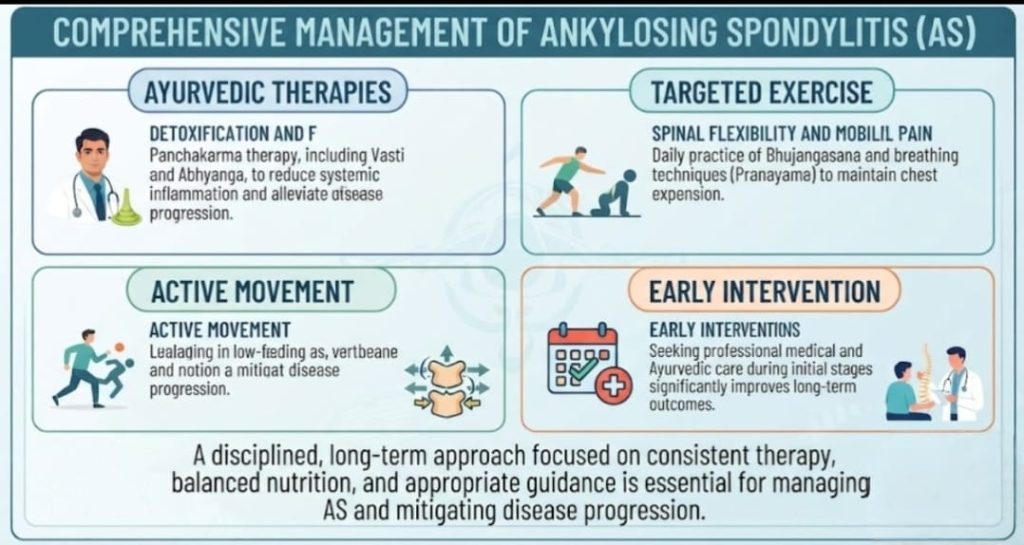
From an Ayurvedic perspective, this condition is often associated with a disruption in the Vata dosha, which affects the structural integrity of the skeletal system (asthi and majja dhatus). An integrated management plan includes:
- Panchakarma Therapy: This detoxification and purification process is utilized to restore balance within the body, effectively reducing systemic inflammation and stiffness.
- Targeted Exercise: Physical activity is paramount. Targeted Exercise regimens, such as Bhujangasana (Cobra Pose) and breathing techniques, are essential to maintain flexibility in the chest and spinal column.
- Active Movement: Incorporating activities like swimming and running helps ensure that all joints remain mobile, preventing the fusion characteristic of the “bamboo” stage.
- Early Intervention: Seeking professional care during the primary stages of Ankylosing Spondylitis significantly improves the prognosis and the efficacy of therapeutic interventions.
Quick Reference: Clinical Progression
| Disease Stage | Characteristics |
| Initial Stage | Localized lumbar pain, morning stiffness, and intermittent discomfort. |
| Intermediate Stage | Pain radiates to the mid-back and neck; reliance on medication increases. |
| Advanced Stage | Potential spinal fusion (Bamboo Spine), restricted chest expansion, and mobility issues. |
Conclusion
Managing Ankylosing Spondylitis requires a disciplined, long-term approach. By transitioning from temporary symptomatic relief to a regimen focused on consistent physical therapy, balanced nutrition, and appropriate clinical guidance, patients can significantly mitigate the progression of the disease and lead an active life. Dr. Manish Yadav provides specialized care at Rayshree Ayurveda, utilizing personalized medication protocols and traditional therapeutic techniques to effectively reduce inflammation, restore joint mobility, and improve the long-term well-being of his patients.
Watch the Video: